
Case study
Kandy 1st Court
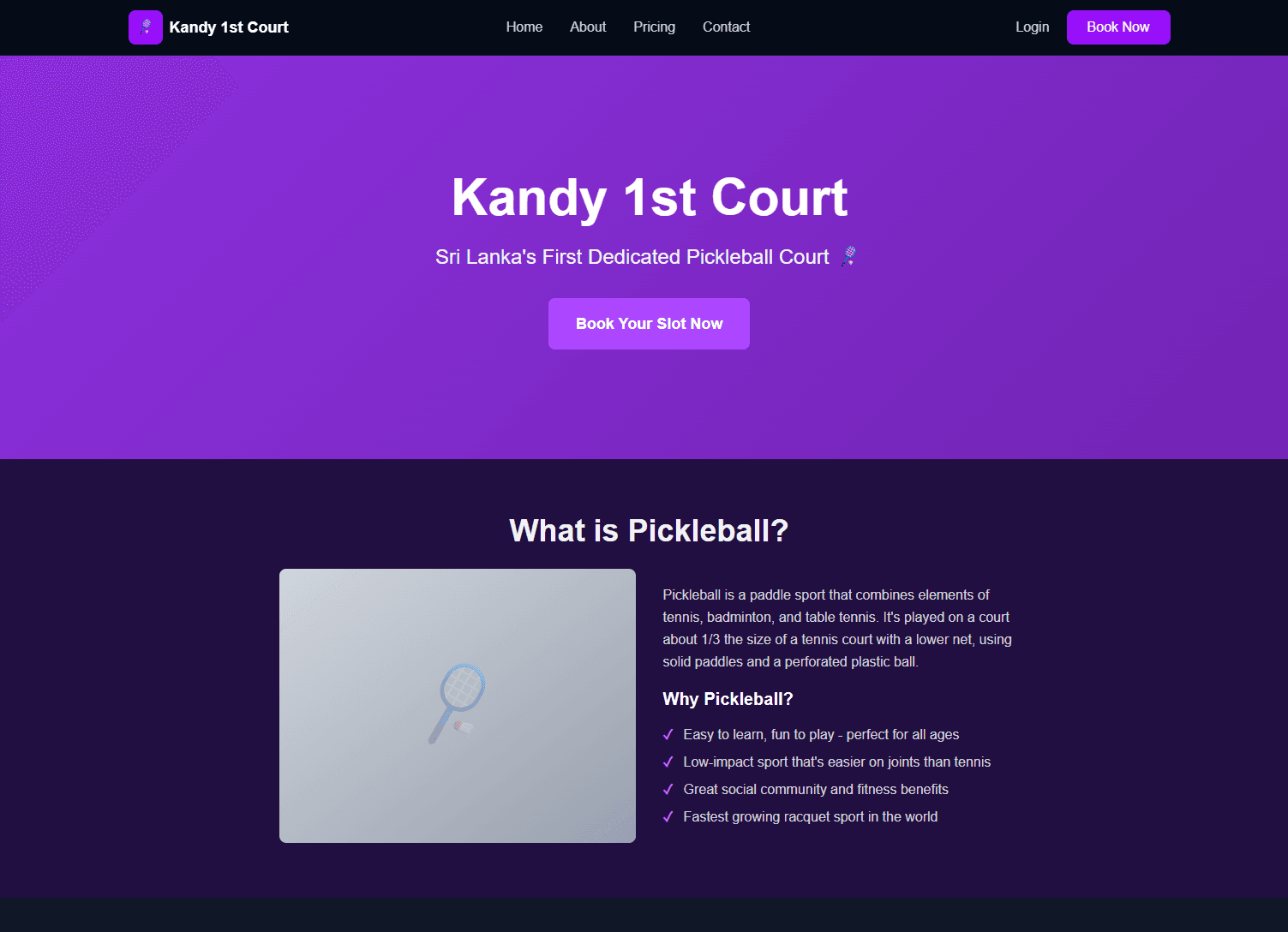
A full-stack booking platform for Sri Lanka's first dedicated pickleball court, built end-to-end by directing Claude Code, not by hand-coding or blind-accepting it.
At a glance
- Role
- Full-stack owner: architecture, database, API, and UI decisions, implemented end-to-end via Claude Code
- Status
- Built; core flows functional; not yet deployed publicly
- Platform
- Web app + companion mobile app (Expo / React Native)
- Tools
- Claude Code · VS Code · Git · GitHub · Supabase · Vercel
- Tech stack
- Next.js 16 · TypeScript · Tailwind CSS v4 · PostgreSQL (Supabase) · Drizzle ORM · Supabase Auth · PayHere · Expo / React Native · Vercel (target hosting)
Sections
Section 1
The Problem
A friend needed a real booking system for Sri Lanka's first dedicated pickleball court in Kandy: a public marketing site, a customer-facing booking flow, and an admin portal to manage bookings, customers, and settings. Not a toy project: a system meant to run an actual small business.
Section 2
Why This Project
This was the first project built by directing Claude Code to its full extent, deliberately used as a test case for a bigger question: can AI meaningfully accelerate a developer without replacing the judgment that makes software actually work? The goal wasn't to see how much code could be generated, but to prove that a developer who knows what "correct" and "done" look like can use AI as a force multiplier. Someone without that judgment would end up with something that merely looks finished.
Section 3
Approach
Owned the architecture end-to-end and directed implementation through Claude Code, reviewing and correcting output rather than accepting it at face value:
- Designed the data model first (7 tables: users, courts, bookings, payments, pricing, blackout dates, settings) with a database-level unique constraint on (court, date, time) as the actual double-booking guard, not just app-side logic.
- Structured the app with Next.js route groups to cleanly separate the public marketing site, auth flow, customer area, and admin portal, each with its own layout.
- Integrated Supabase Auth and wired up the (non-obvious) two-step login handshake: the server validates credentials, but the browser session has to be set separately via setSession, a step that silently breaks every "who's logged in" check if skipped.
- Built a PayHere payment integration from scratch (no SDK available for this gateway), implementing the MD5-of-MD5 checkout-hash and webhook-signature logic by hand.
- Wrote a full developer guide documenting the real state of the system, including what's hardcoded, what's a genuine security gap, and what's demo scaffolding, rather than letting a polished UI imply more completeness than the code actually has.
Section 4
Real Issues Caught & Fixed
Part of the point of this project was staying close enough to the code to catch what AI-generated output gets subtly wrong. A few examples documented in the dev guide:
- A stray page.tsx outside a Next.js route group silently shadowed the real homepage: Next/Turbopack didn't error on the conflict, it just picked the wrong file.
- Drizzle ORM's .where() only accepts one condition; chaining multiple silently produces wrong query behavior instead of a compile error unless conditions are combined with and(...).
- Supabase's transaction-mode connection pooler breaks Drizzle's prepared statements, which required switching to the session-mode pooler.
- Tailwind v4 renamed several utility classes used throughout the app (e.g. bg-opacity-* to color-opacity modifiers); old classes don't error, they just silently do nothing, so the failure mode is a broken-looking page, not a build failure.
- Login only completing server-side, and not also setting the browser session, meant every client-side auth check silently failed, invisible until traced through the actual flow.
Section 6
Outcome
A working full-stack booking platform (public site, customer booking flow, and admin portal) built on a real, constraint-enforced data model, with a companion mobile app sharing the same API. Not yet publicly deployed, but functionally complete for its core flows, with an honest account of what remains before production readiness.
Links
Full developer guide available on request.
Request source accessMore projects
Sri Charge
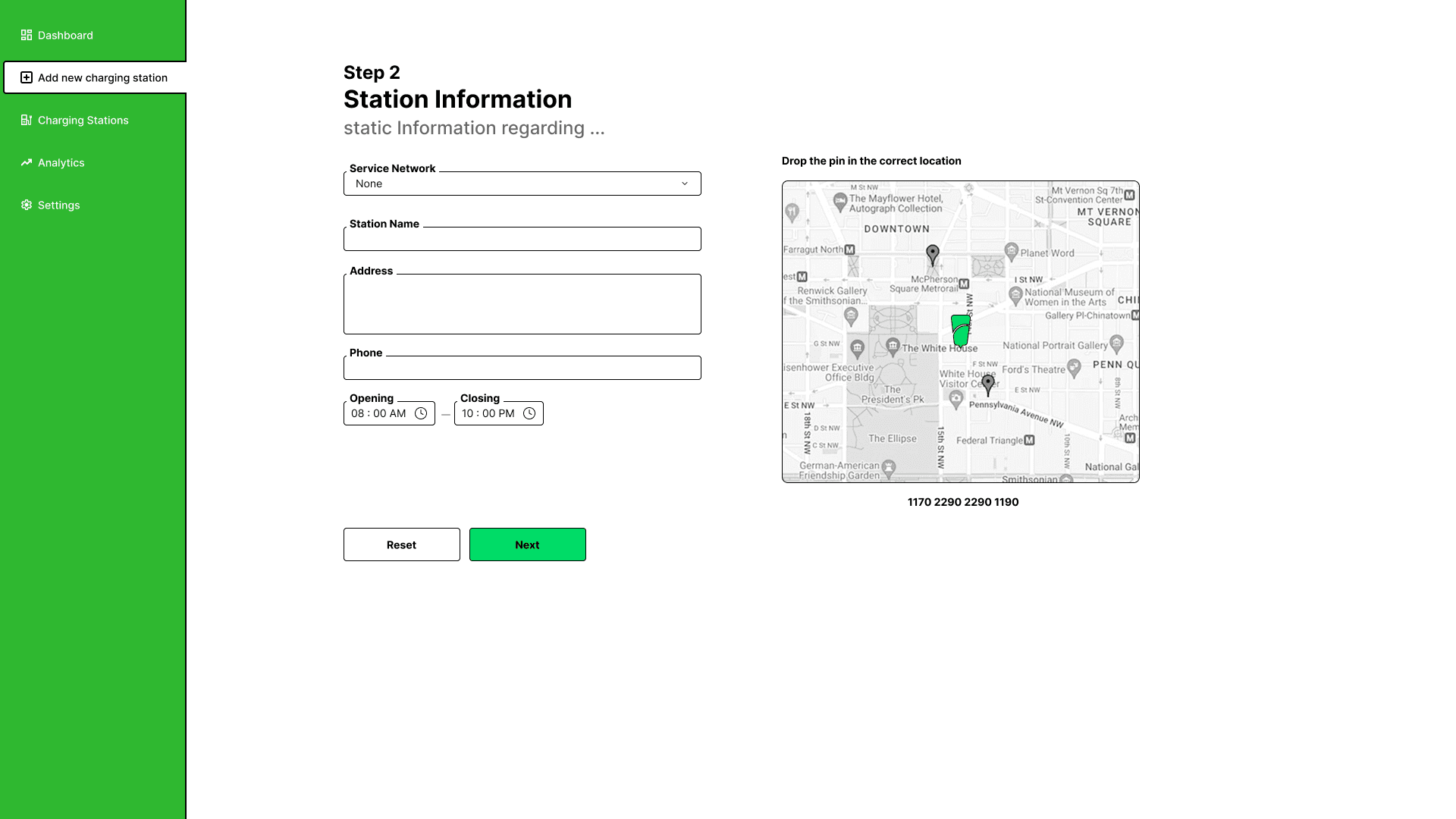
A design-led EV charging & booking platform for Sri Lanka, built to end the queue.
This Portfolio
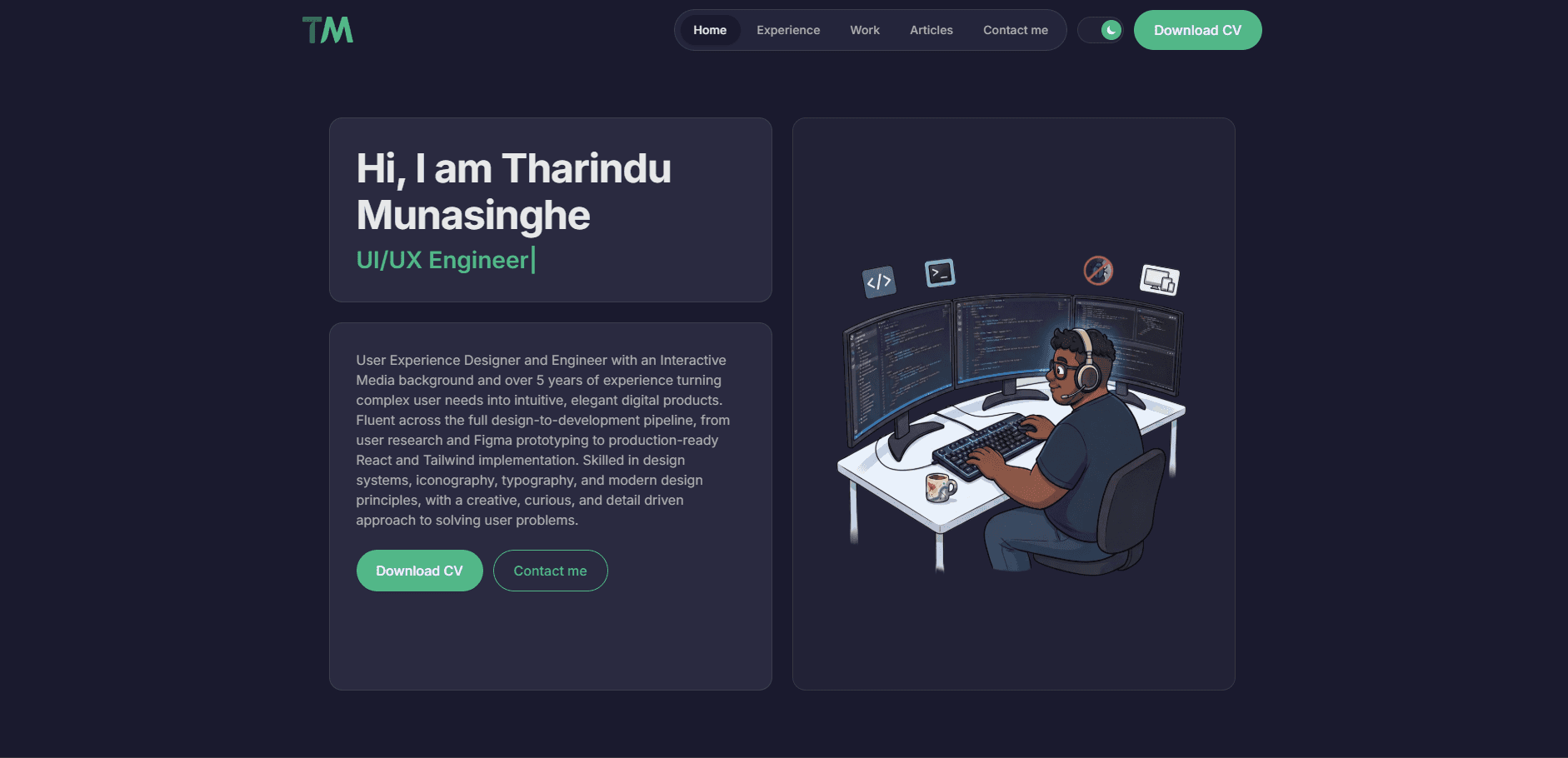
This very site: a personal portfolio designed and built end-to-end with Claude Code assisting, one real feature at a time.
MUNE TASKS
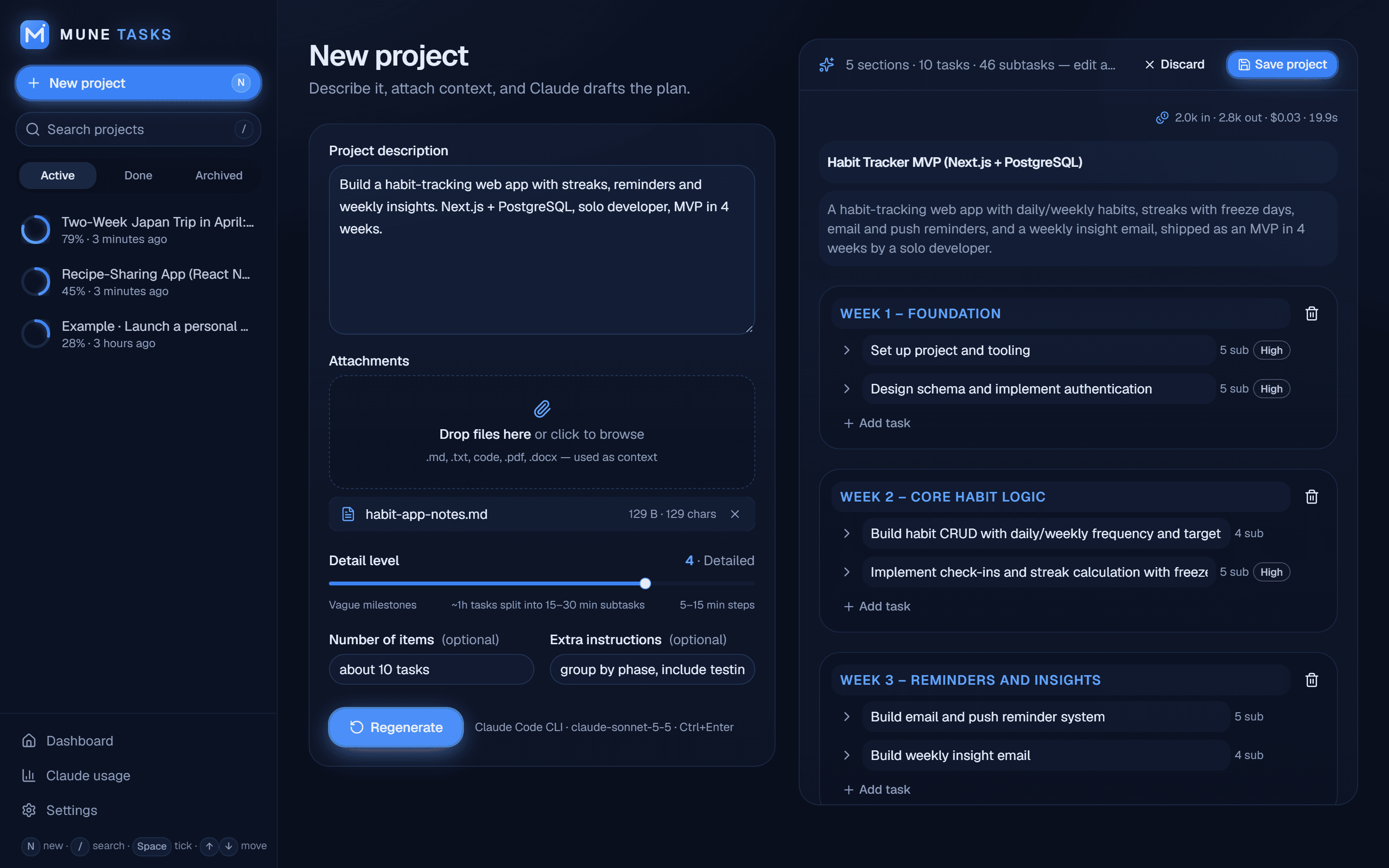
A local-first AI project planner that turns a description into a phased, trackable to-do list in about 20 seconds.
MUNE Splits
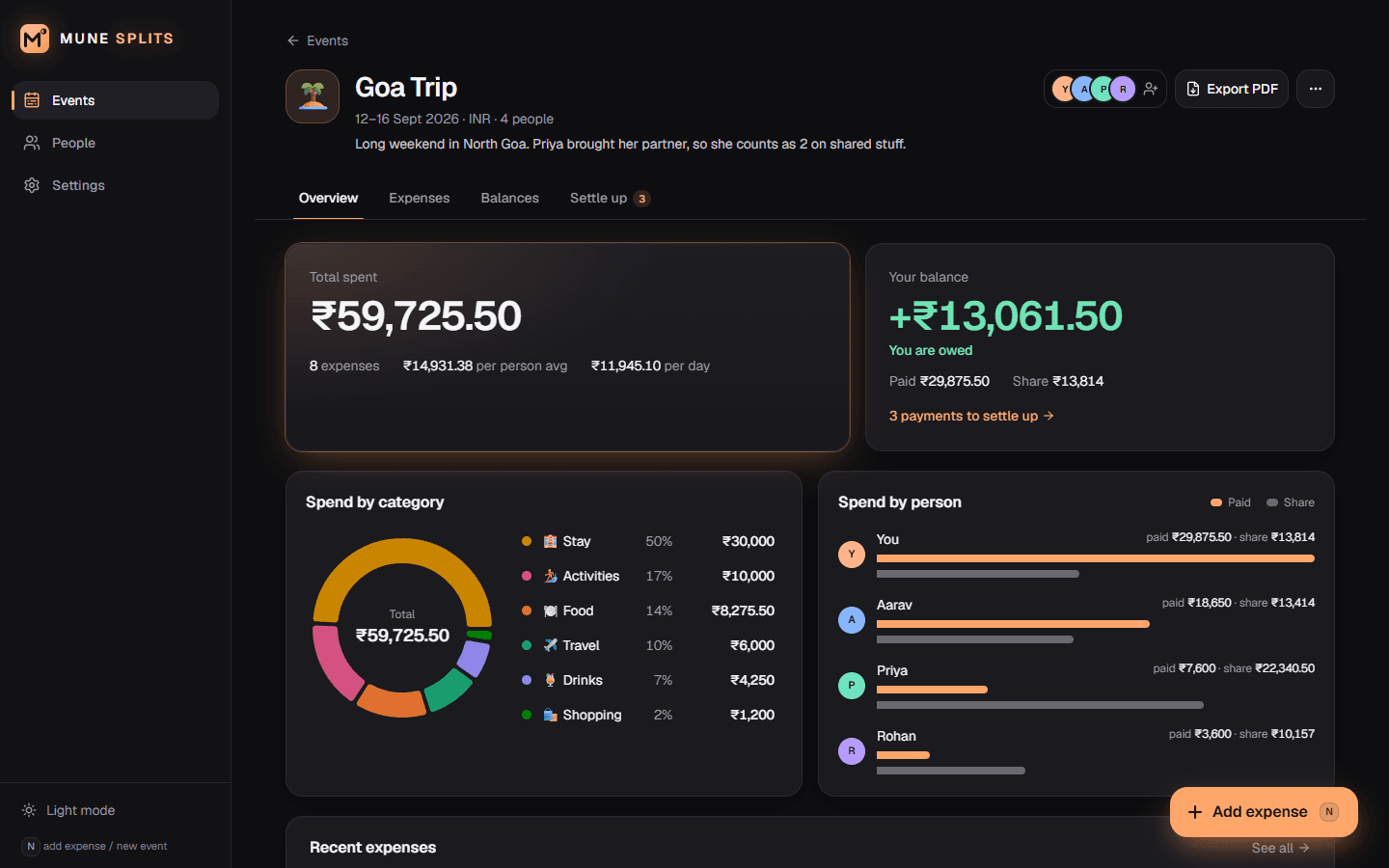
A local-first expense splitter that works out who owes whom in the fewest possible payments.