
Case study
Pickle Rush
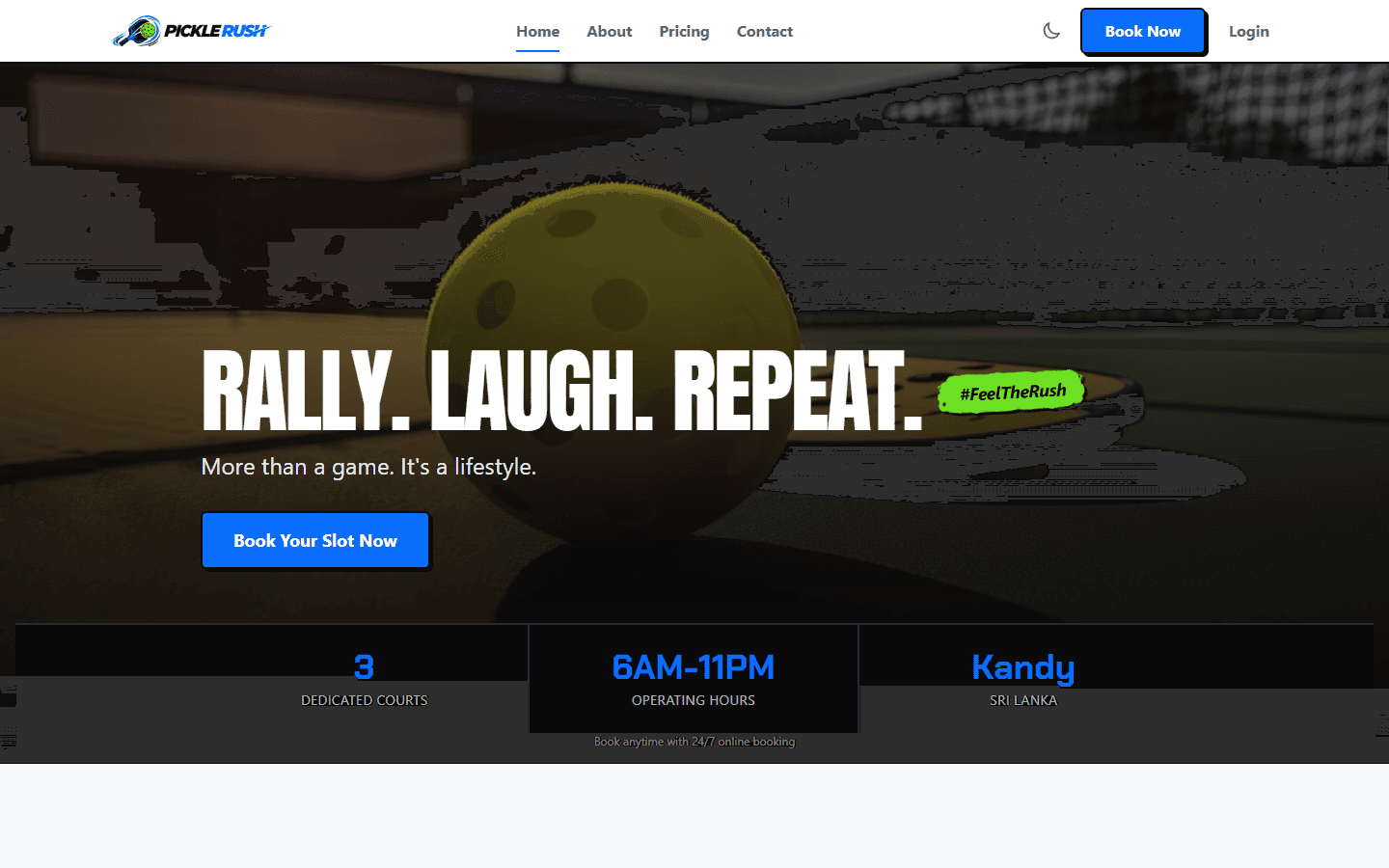
A full-stack pickleball court booking, payment and venue management platform for Kandy, Sri Lanka, live in production with its own booking engine, admin dashboard and two independent point-of-sale systems.
At a glance
- Role
- Full-stack owner: designed and built the entire platform solo, from the data model to the UI
- Status
- Live now at picklerush.lk: the public site, online booking and payments are in production. In-venue POS tills, staff operations and launch marketing are scheduled to complete December 2026.
- Platform
- Web app (public site and admin dashboard), plus two installable desktop POS apps for the court and restaurant tills
- Tools
- Claude Code · VS Code · Git · GitHub · Supabase · Vercel
- Tech stack
- Next.js 16 · React · TypeScript · Tailwind CSS · PostgreSQL (Supabase) · Drizzle ORM · Supabase Auth · PayHere · Vercel · Framer Motion
Design system
A bold, high-contrast identity for a venue that wants to read as energetic rather than corporate: black and white carrying the structure, one electric blue for every action, and hand-drawn-sticker green for the playful call-outs.
Canvas White
#FFFFFF
Page background and nav
Ink Black
#0A0A0A
Headings, stat bar and dark panels
Electric Blue
#0A6EFC
Every primary action and link
Rush Green
#6EE025
Sticker-style call-outs, e.g. #FeelTheRush, Most Popular
Soft Sky
#DDEBFF
Section backgrounds and the highlighted pricing card
Typography
A bold condensed display face for headlines, such as "RALLY. LAUGH. REPEAT.", over a plain sans for body copy
Components

Primary Button

Sticker Badge
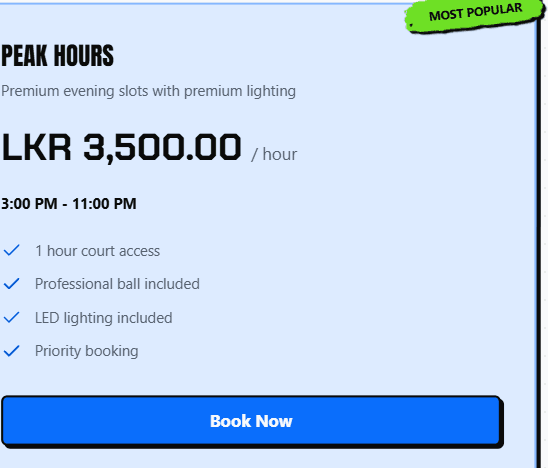
Pricing Card
Sections
Section 1
The Problem
Pickle Rush is Kandy's dedicated pickleball venue: three courts, a healthy-food snack bar, and a membership program. It needed a real booking and operations platform, not a brochure site: a public marketing site, an online booking engine with real payment processing, a role-based admin dashboard, and two separate point-of-sale systems for the court and the on-site restaurant, which is run by an independent operator.
Section 2
What I Built
- Booking engine: three independently-scheduled courts, guest or member checkout, peak and off-peak pricing, online payment through PayHere with a short checkout hold on the slot, and a 4-week advance booking window for members against 5 days for guests.
- Membership system: tiered plans with admin-granted membership windows and renewal.
- Admin dashboard: bookings, customers, reports, court closures, refunds, staff invites, two-factor authentication, and a full audit log, with owner, manager and staff role boundaries enforced server-side.
- Two separate POS systems: the court till and a fully isolated restaurant till, since the restaurant is leased to a third-party operator, each installable as its own desktop app, with staff PIN logins scoped per till so one operator's staff can never reach the other's data or sales.
- Staff operations: clock in and out attendance tracking with PIN verification, monthly hours summaries, and an expense tracker with a monthly profit view, income minus expenses.
- Security and compliance: role-gated API routes, audit logging on every sensitive action, two-factor admin login, and site policies, Terms of Service and Privacy Policy, written to match what the platform actually does.
Section 3
Approach
Owned the architecture end-to-end and directed implementation through Claude Code, reviewing and correcting output rather than accepting it at face value:
- Designed the data model first (users, courts, bookings, payments, pricing, blackout dates, settings) with a database-level unique constraint on court, date and time as the actual double-booking guard, not just app-side logic.
- Structured the app with Next.js route groups to cleanly separate the public marketing site, auth flow, customer area, and admin portal, each with its own layout.
- Integrated Supabase Auth and wired up the non-obvious two-step login handshake: the server validates credentials, but the browser session has to be set separately via setSession, a step that silently breaks every "who's logged in" check if skipped.
- Built a PayHere payment integration from scratch, since no SDK exists for this gateway, implementing the MD5-of-MD5 checkout-hash and webhook-signature logic by hand.
- Kept a full developer guide tracking the real state of the system as it moved from early scaffolding to the production platform it is now, so a polished screen was never left implying more completeness than the code behind it actually had.
Section 4
Real Issues Caught & Fixed
Part of building this closely with Claude Code was staying close enough to the code to catch what AI-generated output gets subtly wrong. A few examples documented along the way:
- A stray page.tsx outside a Next.js route group silently shadowed the real homepage: Next/Turbopack didn't error on the conflict, it just picked the wrong file.
- Drizzle ORM's .where() only accepts one condition; chaining multiple silently produces wrong query behavior instead of a compile error unless conditions are combined with and(...).
- Supabase's transaction-mode connection pooler breaks Drizzle's prepared statements, which required switching to the session-mode pooler.
- Tailwind v4 renamed several utility classes used throughout the app (e.g. bg-opacity-* to color-opacity modifiers); old classes don't error, they just silently do nothing, so the failure mode is a broken-looking page, not a build failure.
- Login only completing server-side, and not also setting the browser session, meant every client-side auth check silently failed, invisible until traced through the actual flow.
Section 5
Outcome
A live, full-stack venue management platform: a public marketing site, an online booking engine with real payment processing, a role-based admin dashboard, and two independent point-of-sale systems for the court and its restaurant tenant. The public site, booking and payments are in production at picklerush.lk now; the in-venue POS hardware rollout, staff operations and launch marketing are scheduled to complete by December 2026.
Links
More projects
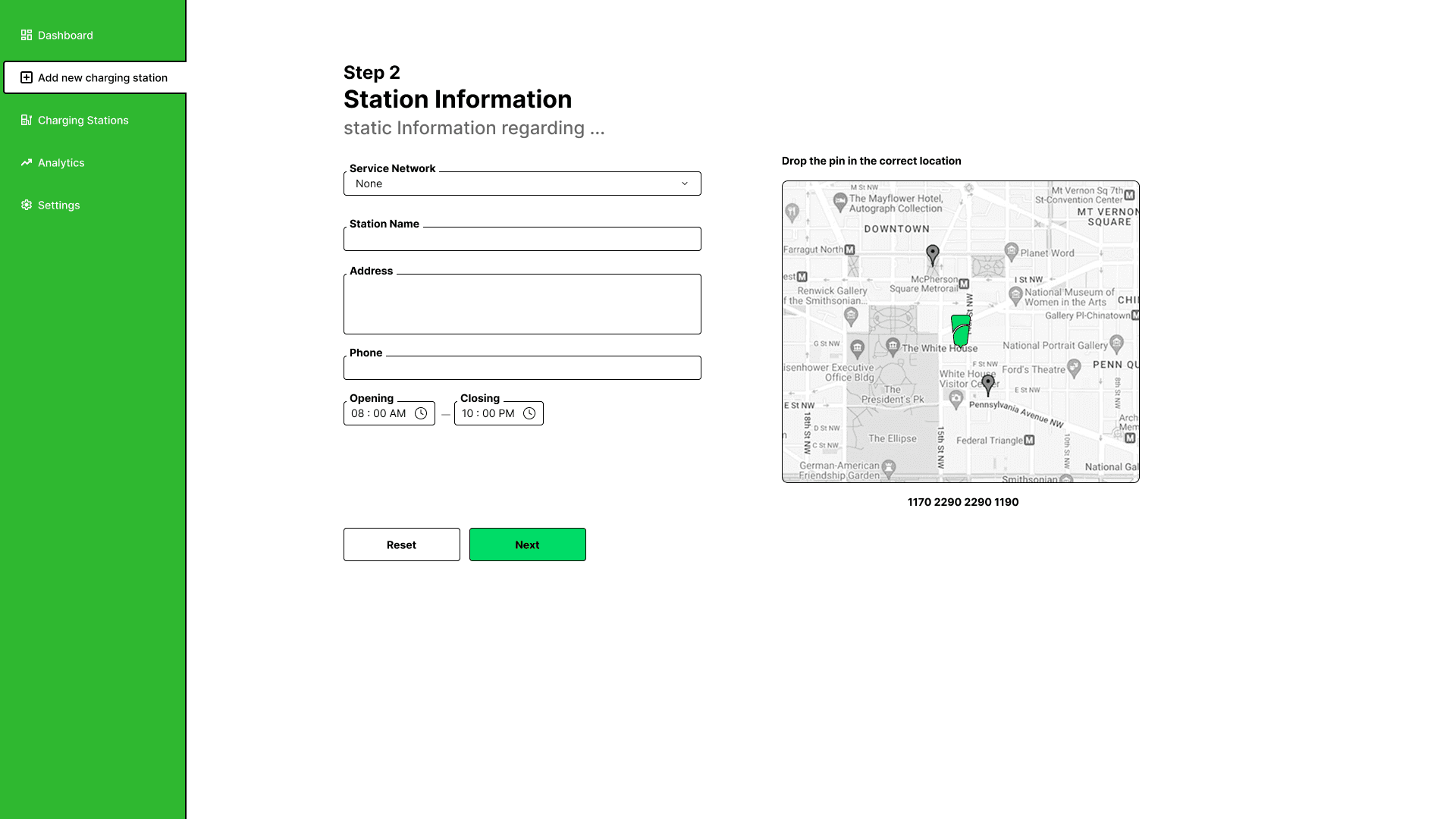
Sri Charge
A design-led EV charging & booking platform for Sri Lanka, built to end the queue.
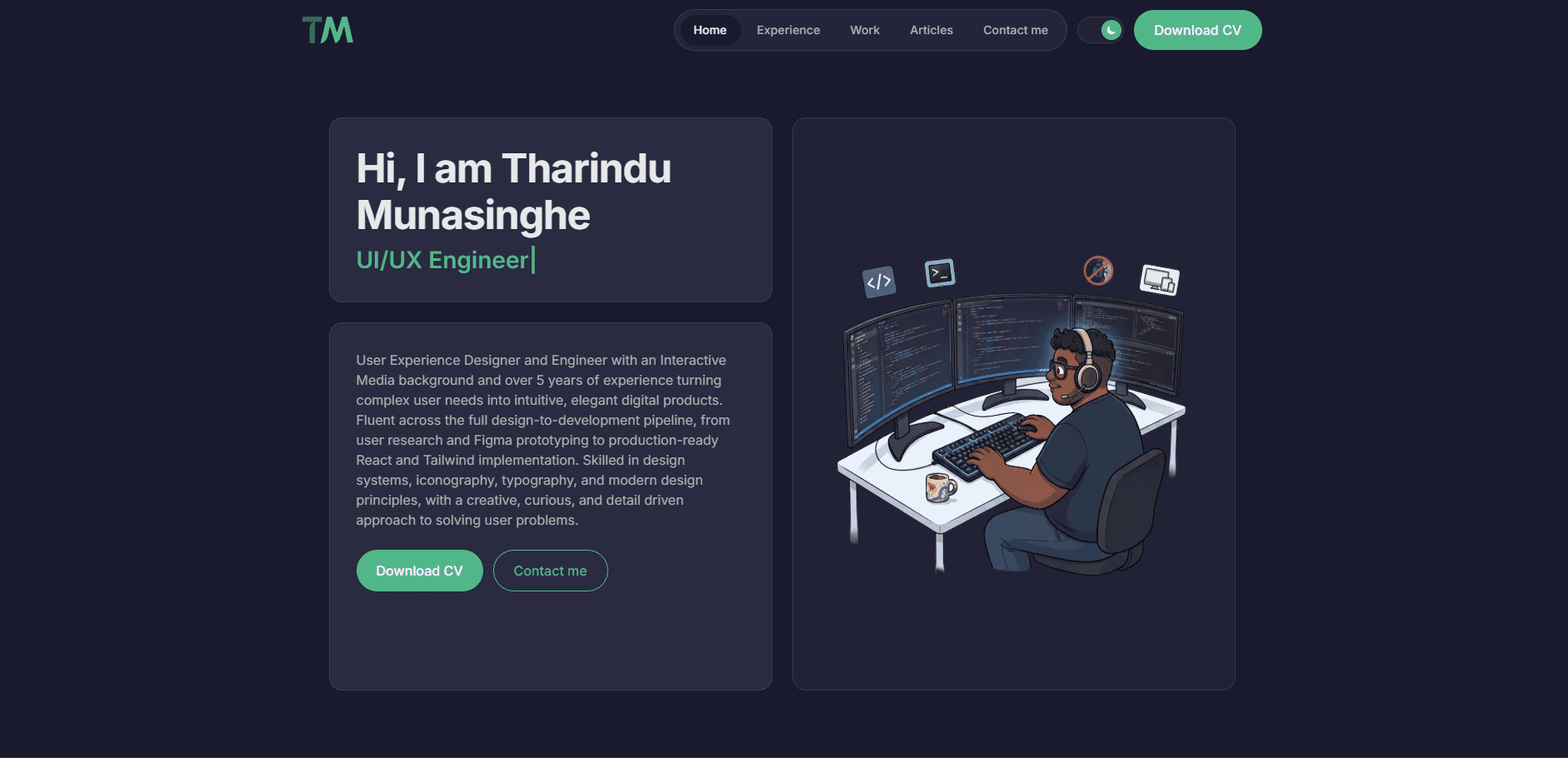
This Portfolio
This very site: a personal portfolio designed and built end-to-end with Claude Code assisting, one real feature at a time.
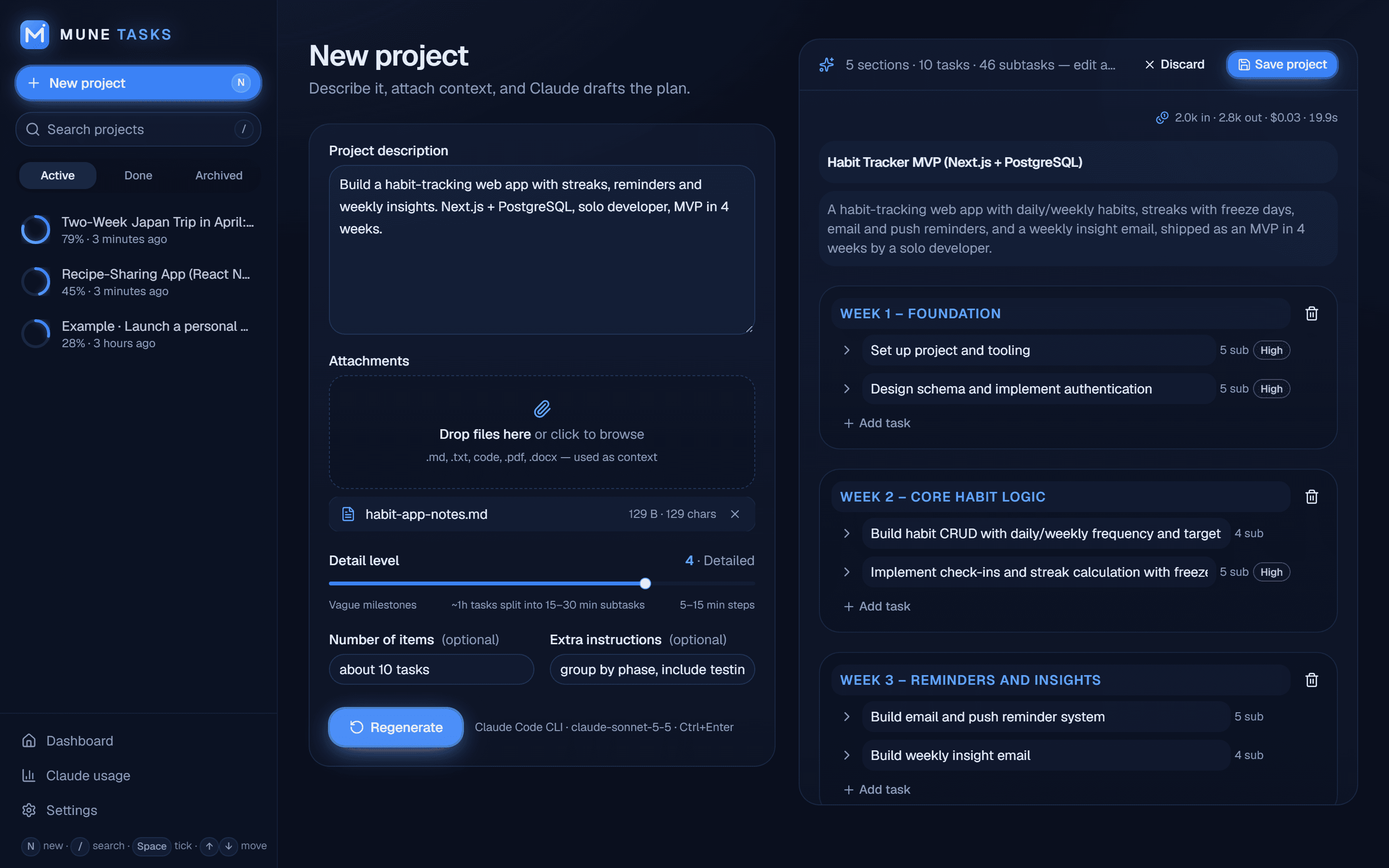
MUNE TASKS
A local-first AI project planner that turns a description into a phased, trackable to-do list in about 20 seconds.
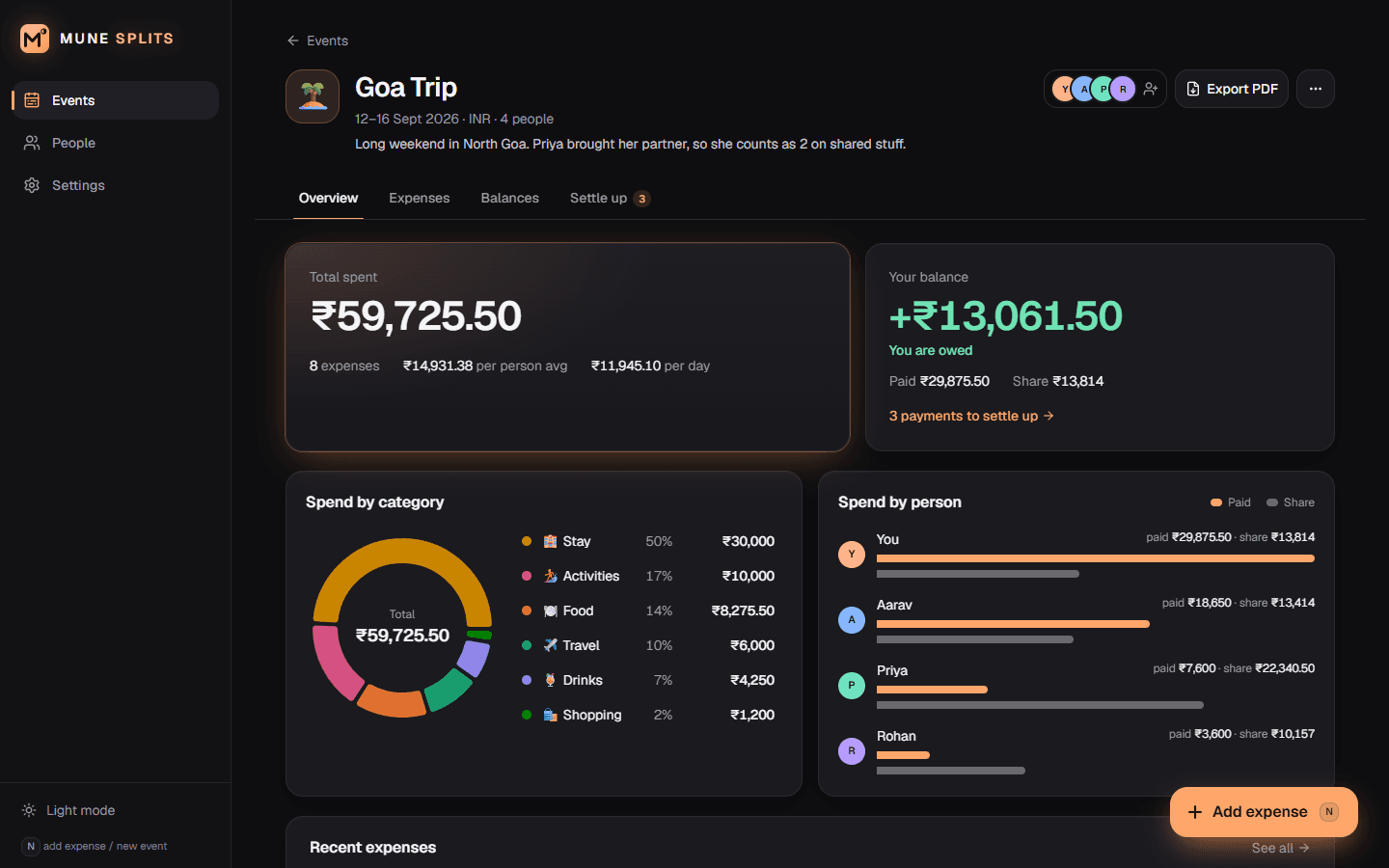
MUNE Splits
A local-first expense splitter that works out who owes whom in the fewest possible payments.
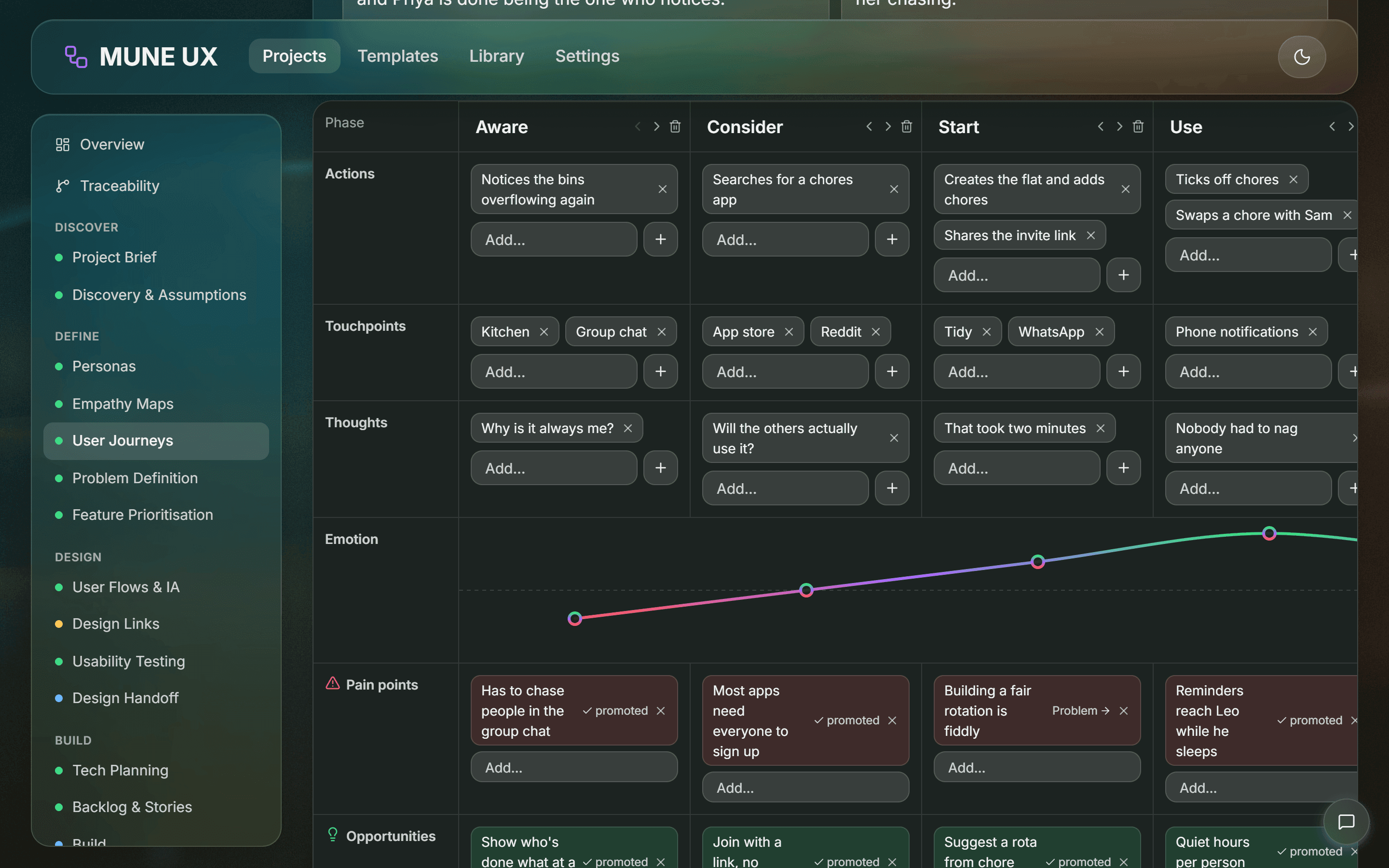
MUNE UX
A local-first UX-to-dev pipeline that takes a vague idea through 17 guided stages to a shipped release, and traces every task back to a real user need.
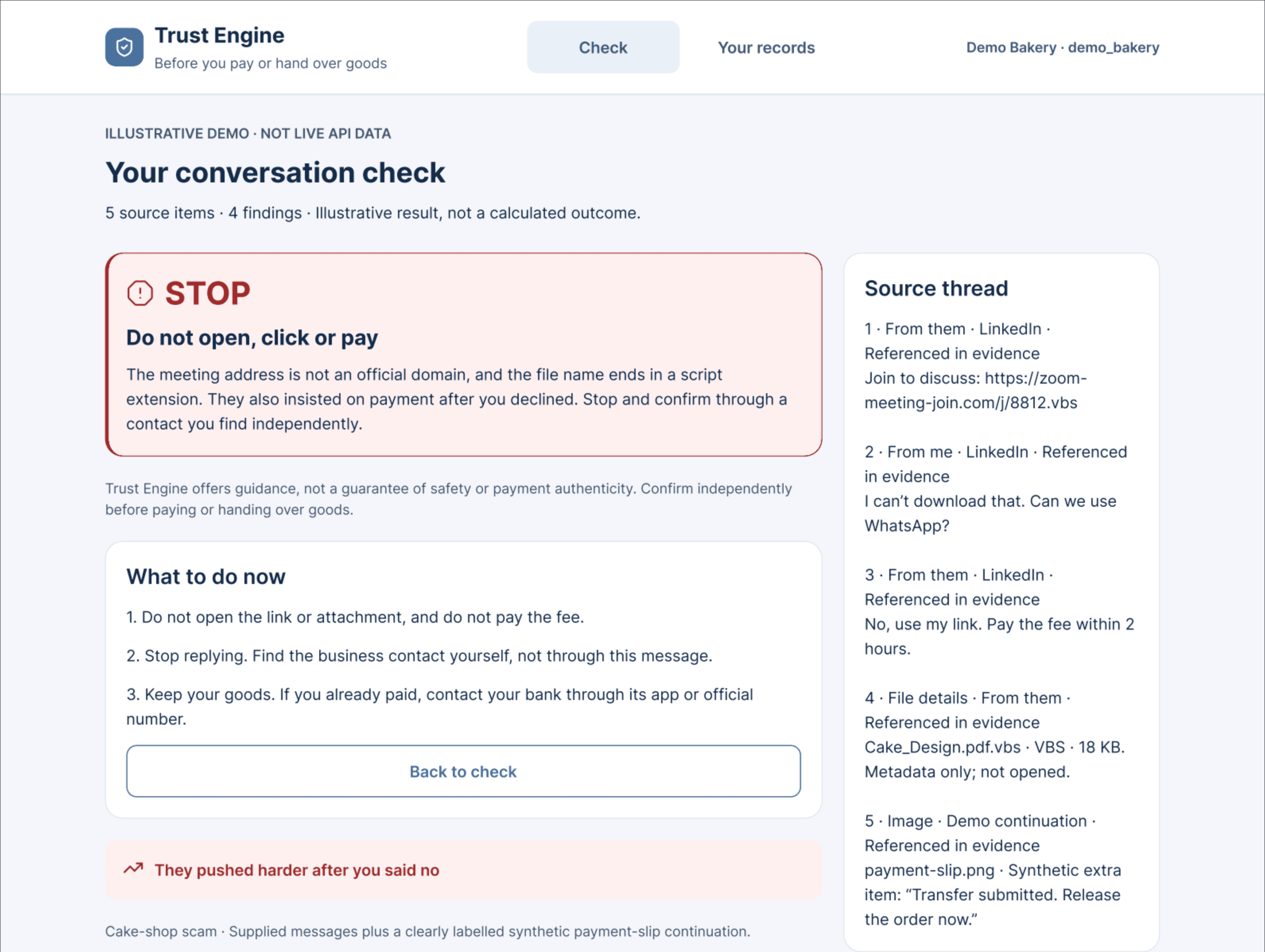
Scam Shield
A fraud check for small shop owners, built in two weeks for the Google Cloud AI Builder Cup: paste a conversation or a payment-slip screenshot and get a STOP, VERIFY or SAFE verdict, the reasons, and what to do next.
MO Marketplace
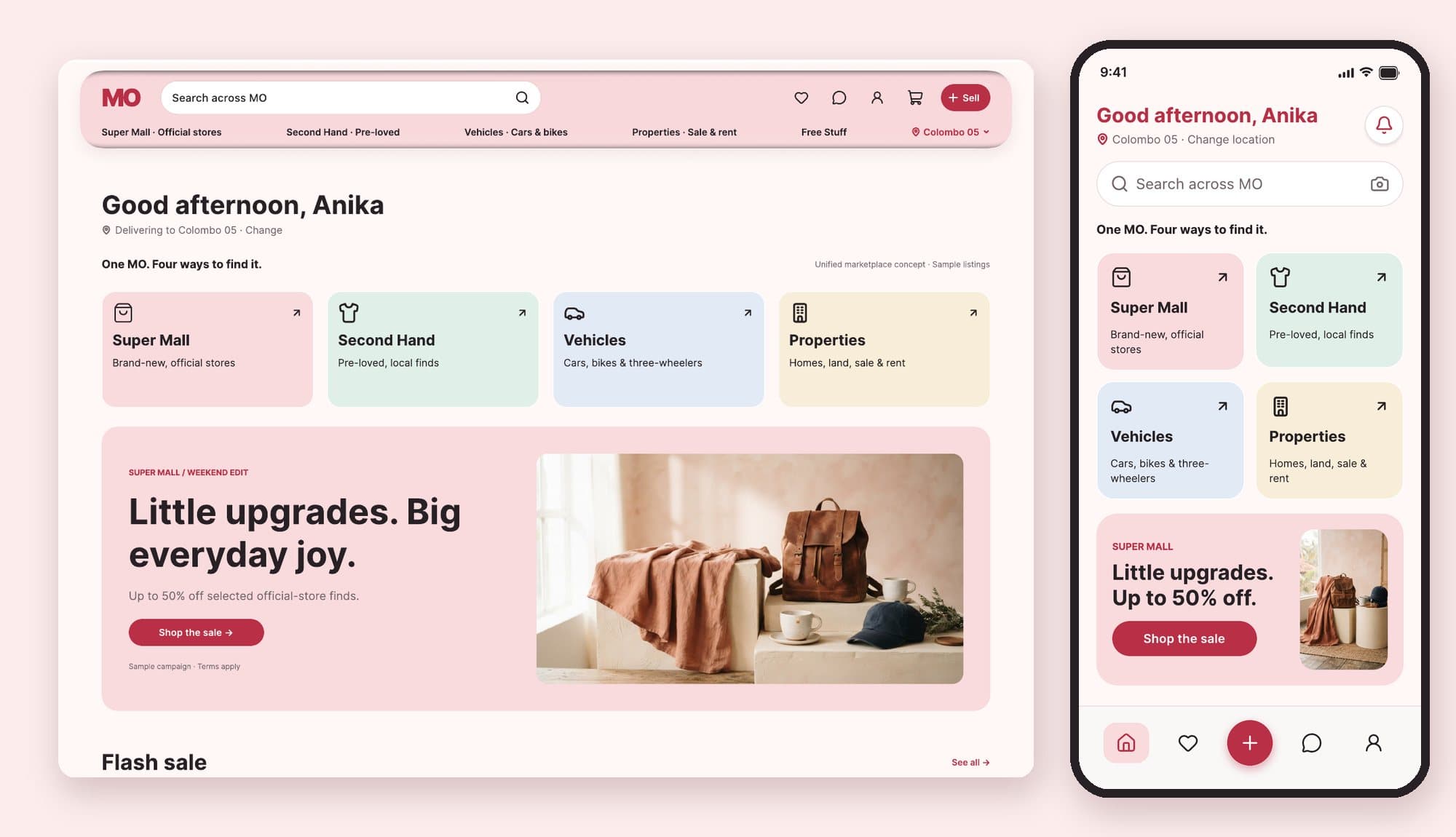
An independent redesign concept for a Sri Lankan marketplace's home screen, built for a take-home assessment around one idea: understand first, then promote, then browse.
MUNE Tokens
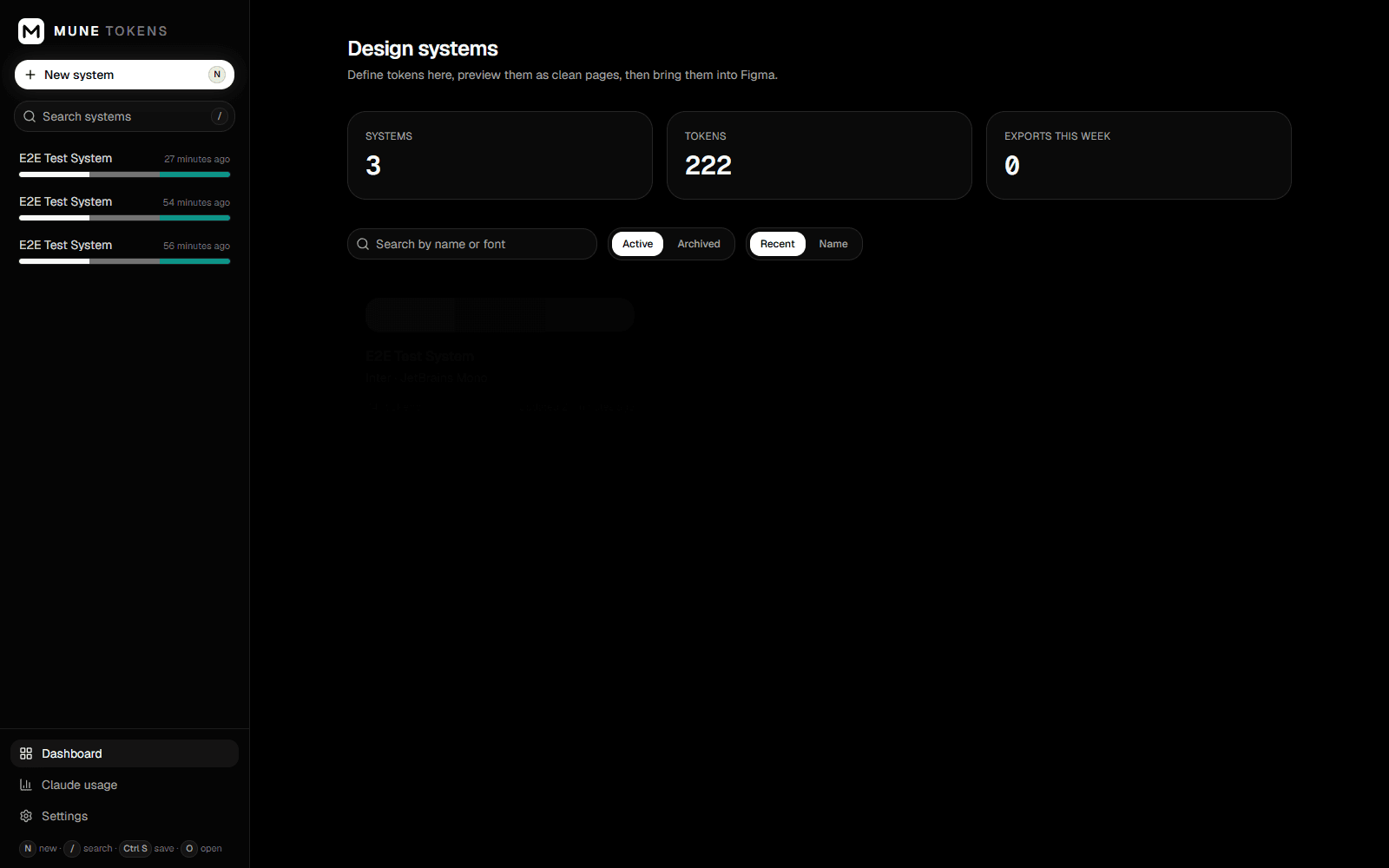
A local design-system generator that turns a product brief into Figma variables, styles and components, plus matching code tokens, in a few minutes with Claude.
FixNow
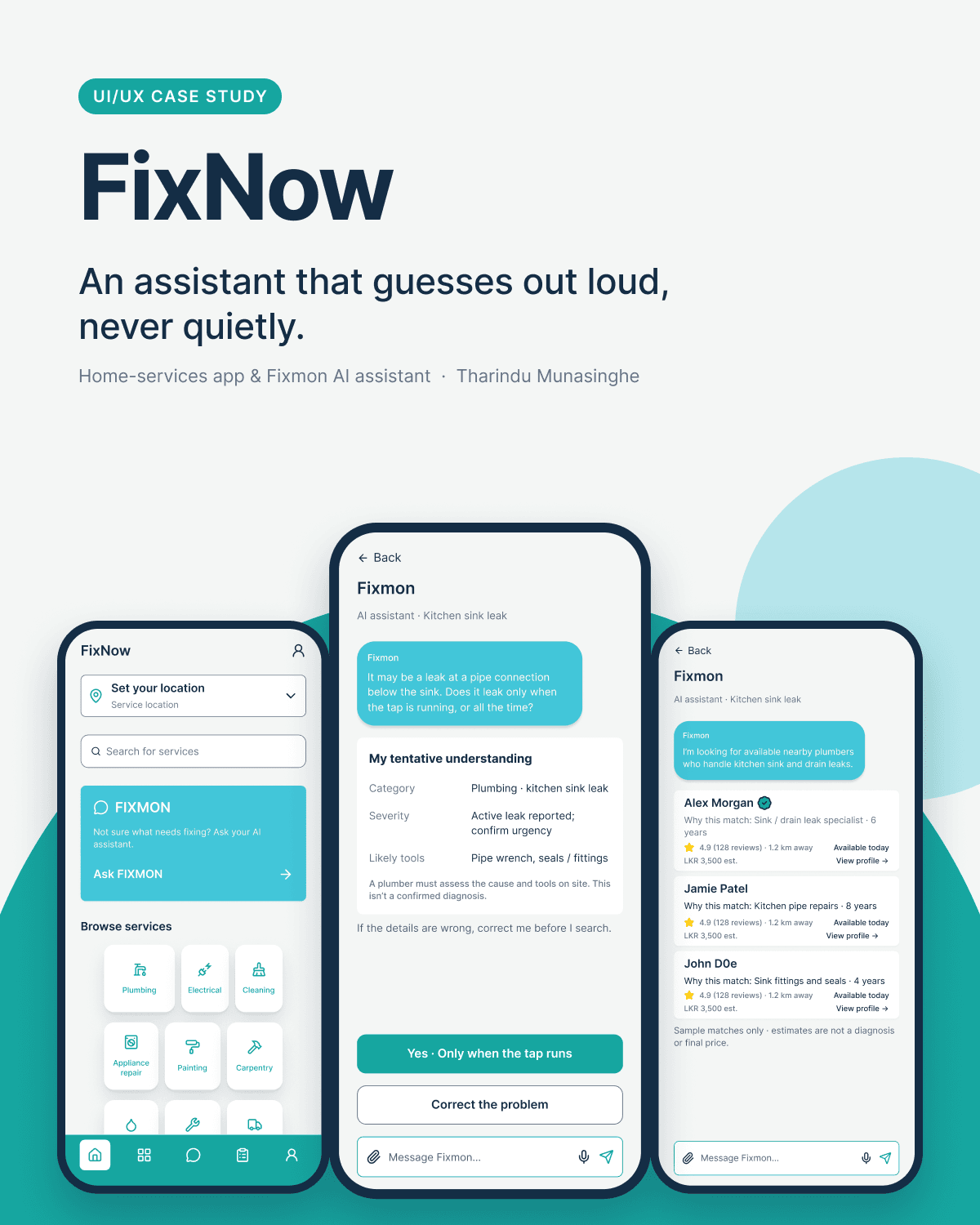
A category-first home services marketplace concept with an AI assistant, Fixmon, that turns a described problem into a reasoned shortlist, designed for a take-home UI/UX assessment.
Fenrir Clips
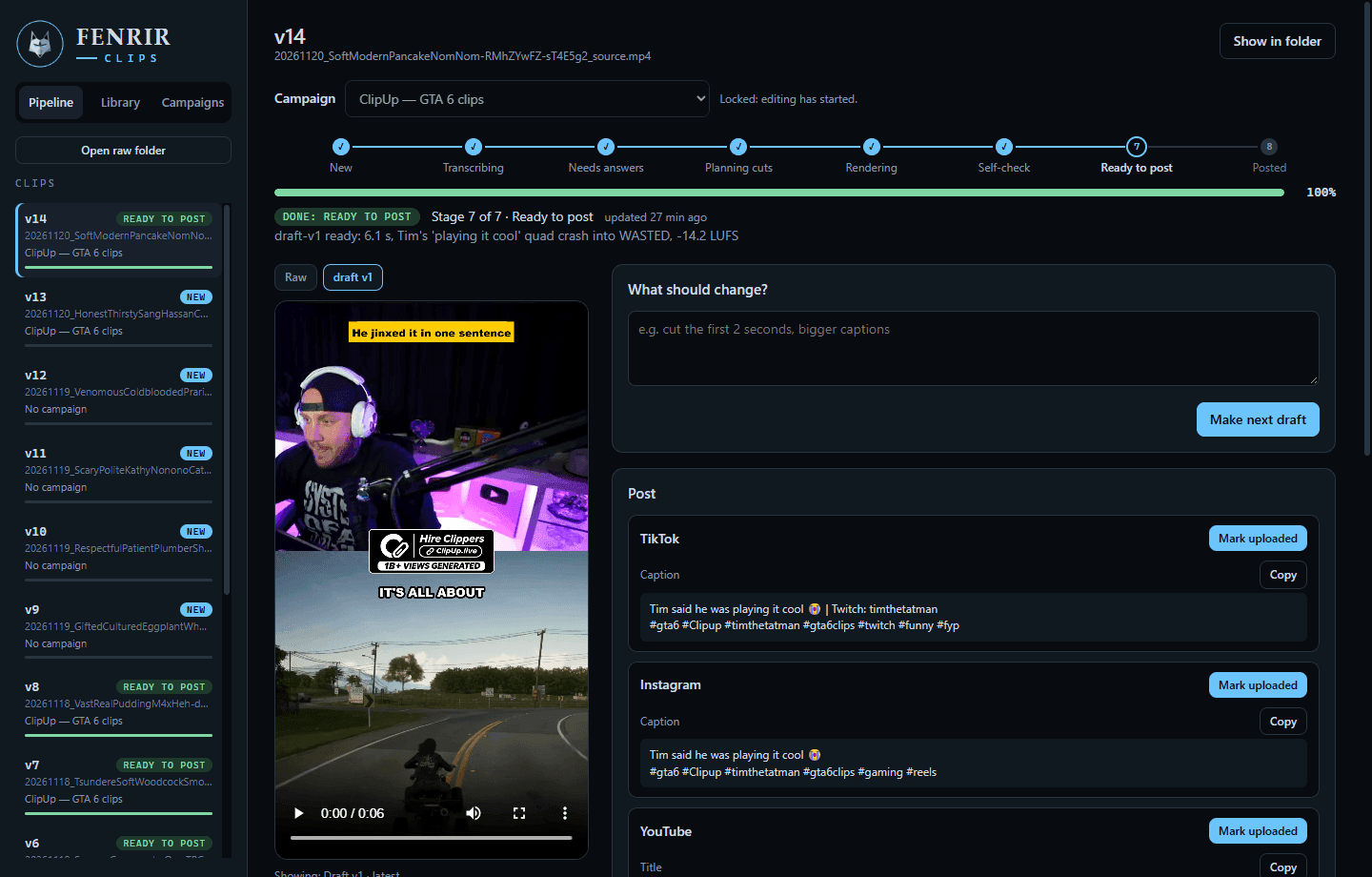
A desktop AI editing desk that turns a raw stream clip into a captioned, reframed 9:16 short with per-platform post text, stopping to ask only when a decision needs a person.